
What’s The Similarity and Difference Between Website Crawling and Indexing?
Crawling and indexing are two essential processes in the functioning of search engines.
What is website crawling?
Crawling is the process by which search engine bots, also known as crawlers or spiders, visit and gather information from websites, including web pages, links, and content. Crawling is typically initiated by a search engine’s crawler, which starts at a list of known good pages and then visits each page.
As the crawler visits each page, it reads the content and follows any links it finds. The crawler then adds these new pages to its list of available pages, and the process continues. However, depending on what it finds and how pages are marked up, or directed by robots.txt, depends on how a search engine, like Google interprets it.
Crawling is essential for search engines to keep their results up-to-date with new and updated content.
What is website indexing?
Indexing, on the other hand, involves the search engine’s indexer receiving the contents of URLs from the crawler. The indexer then tries to make sense of this content by analyzing it, including the links, if any.
The indexer processes canonicalised URLs and determines the authority of each URL. The indexer also determines whether they should index a page, and if so, how it should be ranked in search results. Once content has been categorised, images, video, content etc, it is then published in the search engine, along with a category how it should be ranked per content type.
What are the challenges associated with website crawling and indexing?
Due to the vastness of the internet, the need to follow links and navigate websites, and the need to analyse content and determine its relevance and quality, although pages are crawled they are not always displayed. If a website has very similar pages, and perhaps they are all stated as being unique – they are all marked up as canonised. Often, Google just picks one it prefers (often the first one it comes across:D). Search engines use various algorithms and techniques to address these challenges and try to ensure that their results are accurate and relevant to users.
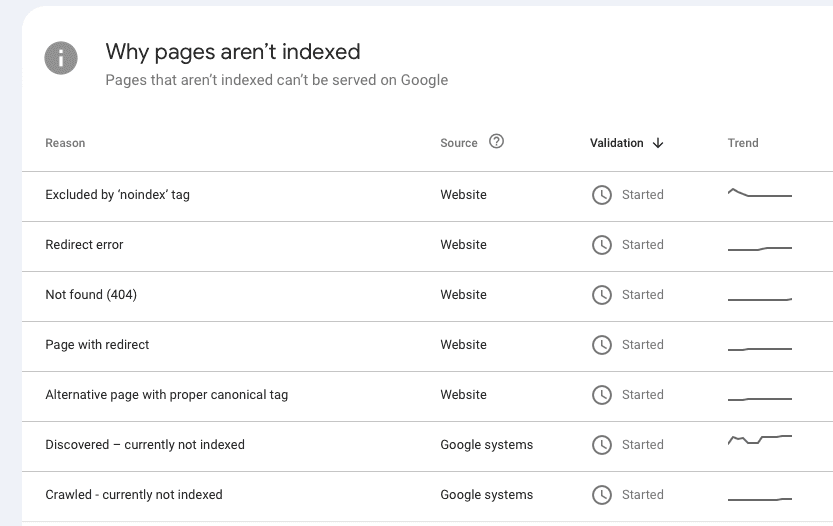
However, even Google’s own search console is not accurate. It states that many pages are discovered (crawled) but are not in the index (in the SERPS). The only way to find this out is typing in Boolean and a search command site:yoursitehere and match how many pages are in your sitemap, compared to how many pages Google returns.
What’s the similarity between website crawling and indexing?
A page maybe crawled, but it does not mean it’s indexed in a search engine. However all pages indexed in a search engine, are ones which were crawled by a search engine. In summary, crawling and indexing are critical processes in the functioning of search engines. Crawling involves the discovery and accessing of web pages, while indexing involves the addition of these pages to the search engine’s database and their ranking in search results. Both processes are essential for users to find relevant and up-to-date information on the internet.

- AI in SEO: Maximising Your Online Visibility - 21 October 2025
- Effective SEO Reindexing Techniques: A Guide - 21 October 2025
- Local SEO Course Passed - 2 February 2025